

Kennel Cough in Dogs: Protecting Against the Common Canine Cold
Is your dog staying up all night coughing? That persistent, honking cough after boarding or daycare is often a sign of kennel cough- a contagious respiratory infection that spreads quickly in social environments. Vaccination, hygiene, and prompt veterinary care reduce symptoms and prevent complications.
At Woodland Springs Veterinary Hospital in Fort Worth, our AAHA-accredited team combines advanced diagnostics with compassionate, Fear-Free care to help dogs recover quickly and safely. Whether your pet needs routine vaccinations or urgent evaluation for respiratory distress, we’re here to guide you every step of the way.
What Causes That Honking Cough?
“Kennel cough,” or canine infectious respiratory disease complex (CIRDC), involves several viral and bacterial agents that cause similar symptoms. Canine infectious respiratory disease (kennel cough) often results from Bordetella bronchiseptica, parainfluenza virus, and canine adenovirus type 2, though canine influenza, distemper, or coronavirus may also contribute.
Transmission occurs easily through:
- Airborne droplets from coughing or sneezing
- Nose-to-nose contact
- Shared bowls, toys, or bedding
- Contaminated surfaces in kennels or grooming facilities
Crowded or poorly ventilated spaces greatly increase risk. Stress from travel or new environments can also weaken the immune system, allowing infection to take hold. Dogs are typically contagious before symptoms appear, making prevention and early isolation essential.
Recognizing the Signs
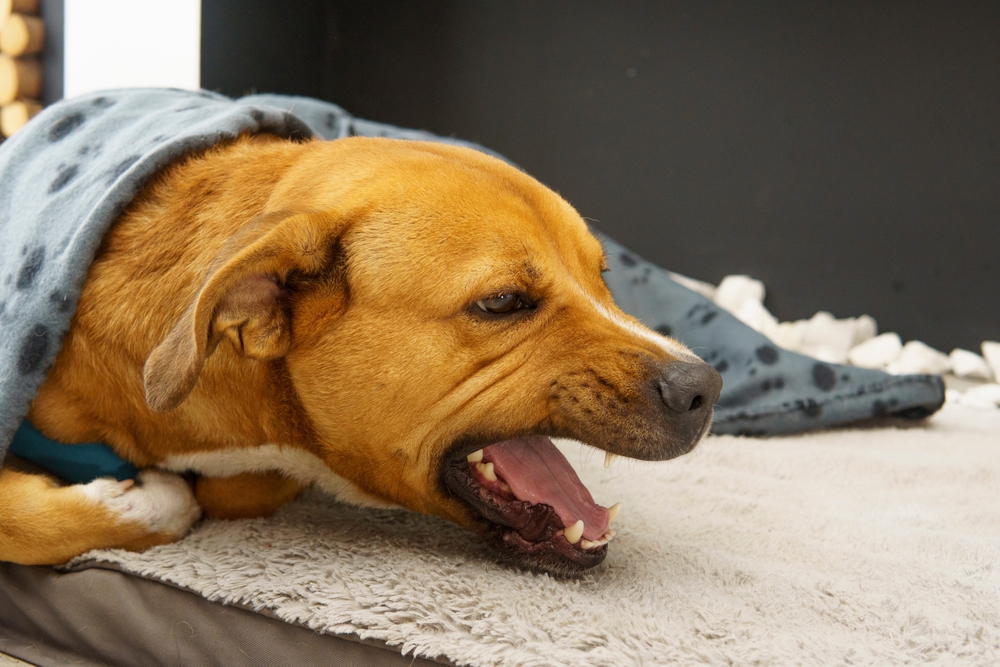
Kennel cough often appears as a dry, honking cough that worsens with excitement or pressure on the collar. Many owners describe it as sounding like their dog has something stuck in their throat.
Common symptoms include:
- Persistent hacking or gagging
- White foam or small amounts of mucus
- Runny nose and watery eyes
- Mild lethargy or reduced appetite
- Low-grade fever
Most dogs remain bright and active, but serious respiratory distress in pets requires immediate care.
Emergency warning signs:
- Open-mouth breathing while resting
- Blue or pale gums
- Rapid or labored breathing
- Collapse or extreme weakness
If your pet shows these signs, contact our emergency care team right away during business hours. After hours, you should go to your nearest overnight emergency veterinarian.
How Contagious Is It?
Kennel cough spreads quickly wherever dogs congregate- boarding facilities, daycare, grooming salons, or dog parks. Even brief contact may cause infection. Dogs can remain contagious for weeks, sometimes shedding pathogens after they appear healthy.
To protect others:
- Keep infected dogs home until cleared by your veterinarian
- Avoid dog parks and group settings
- Use separate bowls and bedding
- Disinfect high-touch surfaces and wash hands after contact
Our cleaning recommendations and veterinary-approved disinfectants can help reduce lingering germs in multi-dog households.
When Kennel Cough Becomes Complicated
Most cases resolve with time and rest, but some dogs- especially puppies, seniors, or those with health issues- develop serious complications.
Dog pneumonia is the most concerning. Bacteria can move deeper into the lungs, causing fever, loss of appetite, and labored breathing. Diagnosis involves radiographs and bloodwork, and treatment may require antibiotics, oxygen therapy, or hospitalization.
Other conditions can mimic kennel cough, including collapsed trachea– a chronic airway issue common in toy breeds- and heart disease in older small dogs. Difficulty breathing (dyspnea) linked to heart conditions often worsens with activity or at night. Paying attention to the time of day your dog cough, and the sound of the cough, can help our team differentiate between the causes.
How Veterinarians Diagnose Kennel Cough
Diagnosis begins with your dog’s history and a physical exam. Your veterinarian will ask about recent exposure to other dogs and listen to the chest and airways.
Straightforward cases may not require testing, but when symptoms persist or worsen, advanced diagnostics such as PCR panels, radiographs, and bloodwork help confirm the cause.
Our diagnostic capabilities– including X-rays, ultrasound, and in-house lab work- allow our team to distinguish kennel cough from other conditions quickly, ensuring appropriate treatment.
Treatment: Supporting Recovery
Most dogs recover within one to three weeks with supportive care.
Home care tips:
- Provide rest and limit excitement
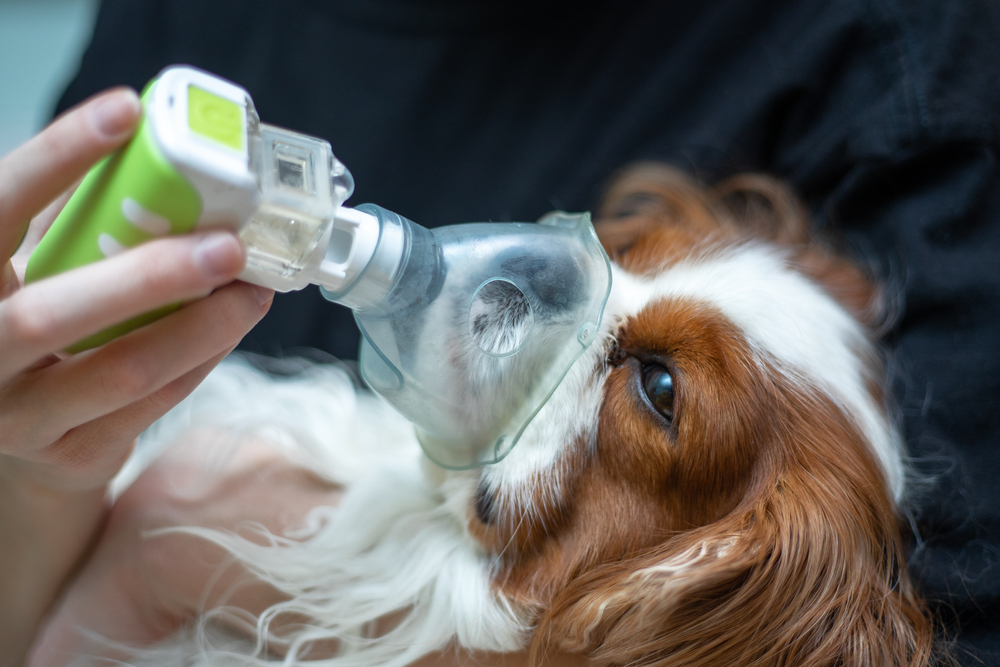
- Use a humidifier or bathroom steam to ease coughing
- Walk with a harness instead of a collar
- Ensure good hydration and nutrition
- Administer prescribed cough suppressants or anti-inflammatories
Antibiotics are used only when a bacterial infection is suspected. Dogs showing worsening symptoms may need in-clinic care. Our medical team is prepared to manage complications if they arise.
Monitor your dog closely, and schedule a recheck if symptoms persist beyond three weeks or new issues develop.
Prevention Through Vaccination and Smart Planning
Prevention combines vaccination, cleanliness, and thoughtful socialization choices.
Vaccines for dogs– including Bordetella bronchiseptica, parainfluenza, and adenovirus type 2- reduce both severity and duration of illness.
Bordetella vaccines are available as injections, nasal drops, or oral doses. Most facilities require proof within the past 6–12 months. Plan vaccines at least 2 weeks before boarding.
Before boarding or daycare:
- Confirm vaccination requirements
- Ask about cleaning and ventilation
- Bring your own bowls and bedding
- Avoid crowded holiday periods
Our wellness plans include customized vaccine schedules that protect your dog’s health while preventing over-vaccination. If you’re worried about your dog catching kennel cough, rest assured that Woodland Springs Veterinary Hospital takes prevention seriously. All boarding guests are required to have an up-to-date Bordetella vaccination, and our team follows strict cleanliness and disinfection protocols to reduce the risk of infection. From proper ventilation to routine sanitation, every measure is in place to keep your dog safe, healthy, and comfortable during their stay.
Can Dogs Spread Kennel Cough to Cats?
Yes. Bordetella bronchiseptica can occasionally infect cats, especially in homes with close contact between both species. Feline infections usually cause sneezing, nasal discharge, or mild coughing.
If your cat develops symptoms after your dog’s illness, contact our team for evaluation. Early care prevents spread and keeps your household healthy.
When Coughing Becomes an Emergency
Seek emergency care if your dog experiences:
- Severe breathing difficulty
- Blue or pale gums
- Collapse or weakness
- High fever unresponsive to medication
- Refusal of food or water for more than 24 hours
- Coughing fits that cause vomiting or fainting
Respiratory distress can escalate quickly. During business hours, call us immediately at (817) 431-3735 or visit Woodland Springs Veterinary Hospital. After hours, we can refer you to a local 24/7 emergency clinic.
Recovery and Returning to Normal Activities
Most dogs recover fully within two to three weeks. Even after symptoms improve, they may remain contagious, so wait for veterinary clearance before returning to social activities.
As your dog improves:
- Reintroduce gentle walks using a harness
- Avoid excessive excitement or barking
- Watch for returning symptoms
Keeping up with routine vaccinations and annual exams helps prevent recurrence. If your dog has frequent respiratory infections, discuss additional prevention strategies with our team.
Protecting Your Dog Starts With Partnership
Kennel cough is common but manageable with prompt care and preventive planning. Early veterinary guidance helps your dog recover faster and protects other pets in the community.
At Woodland Springs Veterinary Hospital, we pair advanced diagnostics with modern medicine, gentle handling, and individualized care boarding to keep your dog healthy and stress-free.
If your pet develops a new cough- especially after boarding, grooming, or dog park visits- contact us or call (817) 431-3735 to schedule an evaluation. Your dog’s comfort and recovery are always our top priority.



Leave A Comment