

Laser Therapy and Acupuncture: Modern Pain Relief Options for Your Pet
Wondering about pain relief options for your pet that don’t involve more pills? Pain and mobility issues affect your pet’s quality of life and leave you searching for solutions that provide real relief without relying solely on medications. Modern veterinary medicine has come a long way, and at Woodland Springs Veterinary Hospital, we offer multiple therapeutic approaches that work independently or together to help your pet feel more comfortable and move more easily.
As an AAHA-accredited practice, we’re committed to providing the highest standard of care using both traditional and integrative therapies. Laser therapy and acupuncture are two powerful tools in our pain management toolkit, each offering unique benefits for pets dealing with chronic conditions, post-surgical recovery, or age-related discomfort. If you have questions about whether these therapies might help your pet, our experienced team is here to guide you through your options.
Understanding Laser Therapy: How Light Heals
Laser therapy uses specific wavelengths of light to penetrate deep into tissues and stimulate the body’s natural healing processes at a cellular level. This isn’t science fiction. It’s a well-researched treatment backed by extensive clinical evidence. The technical term for this process is photobiomodulation, which describes how light energy triggers biological changes that reduce inflammation, decrease pain, and accelerate healing.
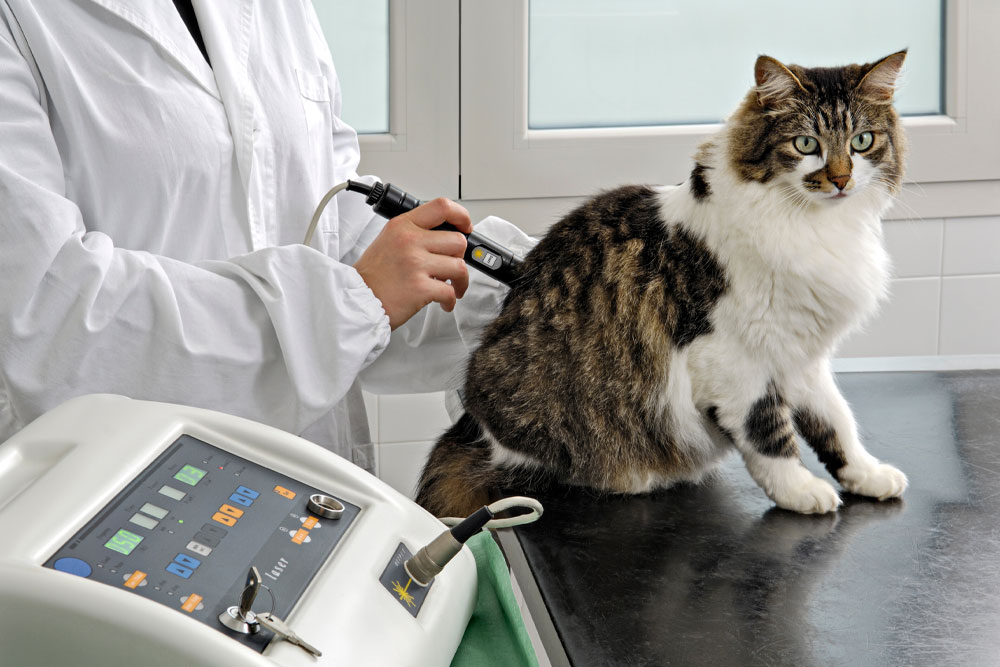
When we perform laser therapy at Woodland Springs, the laser device emits specific wavelengths of red and near-infrared light that penetrate through your pet’s skin and fur without causing any heat or discomfort. These light waves reach deep tissues, where they interact with cells to increase circulation, reduce swelling, and trigger the release of the body’s natural pain-relieving compounds called endorphins.
What to Expect During a Laser Therapy Session
Most pets find laser therapy completely comfortable and even relaxing. A typical session lasts anywhere from 3 to 10 minutes, depending on the size of the treatment area and the condition being addressed. Your pet simply stands, sits, or lies comfortably while we move the laser probe over the affected area in a gentle, methodical pattern.
Many pets become so relaxed during treatment that they start to doze off. There’s no pain, no needles, and no sedation required. We often use protective eyewear for both pets and people in the room as a safety precaution, though the laser itself is completely safe when used properly by trained veterinary professionals. Most treatment plans involve multiple sessions scheduled over several weeks, with many pets showing improvement after just a few treatments.
Conditions That Respond Well to Laser Therapy
Laser therapy has proven particularly effective for a wide range of conditions, making it a versatile option for many pets. At Woodland Springs, we commonly use it for:
Musculoskeletal Issues:
- Arthritis and degenerative joint disease
- Hip dysplasia and other orthopedic conditions
- Muscle strains and sprains
- Tendon and ligament injuries
Post-Surgical Recovery:
- Reducing swelling and inflammation after surgery
- Accelerating incision healing
- Minimizing scar tissue formation
- Pain management during recovery
Wound Care and Skin Conditions:
- Hot spots and skin infections
- Lick granulomas
- Ear infections and inflammation
- Post-trauma wound healing
The therapy is particularly valuable for managing joint disease in both dogs and cats. Many senior pets with chronic joint pain experience significant improvement in mobility and comfort levels. We often combine laser therapy with other regenerative therapies and our comprehensive orthopedic and joint care protocols to provide the most complete treatment approach possible.
Understanding Veterinary Acupuncture: Ancient Wisdom Meets Modern Medicine
Acupuncture has been used for thousands of years in traditional medicine, and modern research has confirmed many of its therapeutic benefits. Veterinary acupuncture involves placing very thin, sterile needles at specific points on the body to stimulate nerves, increase blood flow, and trigger the release of natural pain-relieving and anti-inflammatory substances.
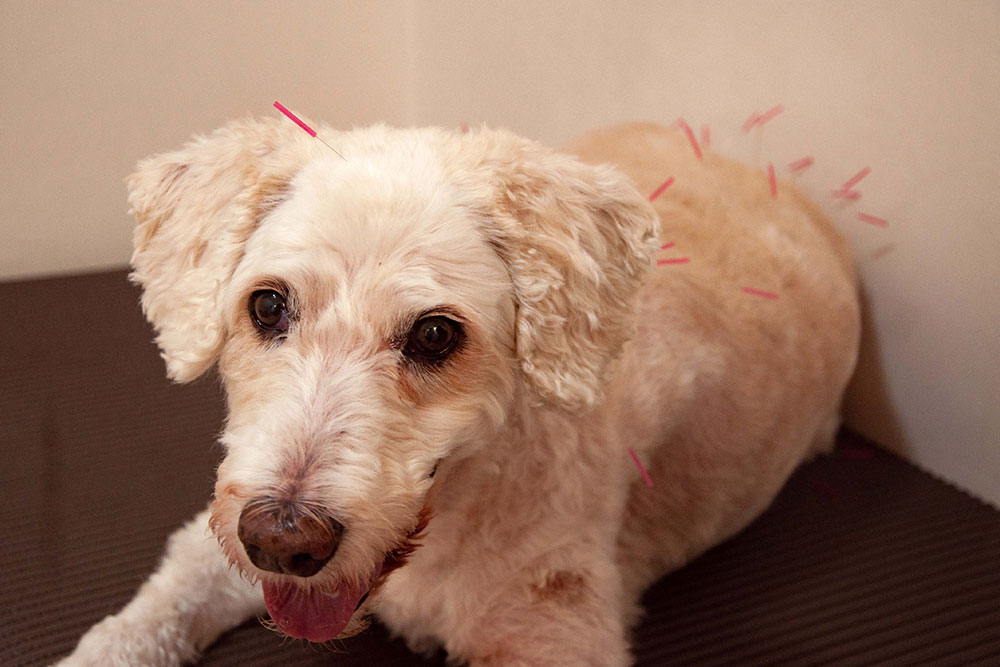
The needles used in veterinary acupuncture are incredibly fine, much thinner than the needles used for injections or blood draws. Most pets don’t even notice when the needles are inserted. In fact, many animals become deeply relaxed during treatment, with some even falling asleep. The goal is to restore balance in the body and activate natural healing mechanisms that help manage pain, reduce inflammation, and support overall wellness.
What Happens During an Acupuncture Session
During your pet’s first acupuncture appointment, we perform a thorough examination and discuss your pet’s health history, current symptoms, and treatment goals. Then we carefully select acupuncture points based on the specific condition being treated. The needles typically remain in place for 15 to 30 minutes while your pet rests comfortably.
Sessions are usually scheduled weekly at first, then spaced further apart as improvement occurs. Some pets show dramatic improvement after just one or two treatments, while others benefit from ongoing maintenance sessions to keep symptoms controlled. The treatment is cumulative, meaning benefits often increase over time with consistent therapy.
Conditions That Benefit from Acupuncture
Acupuncture addresses a remarkably broad range of conditions, making it valuable for many different health challenges:
Pain and Mobility:
- Chronic pain from arthritis or degenerative diseases
- Back pain and neck stiffness
- Hip dysplasia discomfort
- Post-surgical pain management
Neurological Conditions:
- Intervertebral disc disease
- Nerve damage or neuropathy
- Paralysis or weakness
- Vestibular disease
Digestive and Internal Issues:
- Chronic vomiting or diarrhea
- Inflammatory bowel disease
- Poor appetite
- Constipation
Immune and Allergy Support:
- Seasonal allergies causing itching and discomfort
- Chronic ear infections
- Skin inflammation
- General immune system support
Acupuncture is particularly valuable for pets with conditions that have both physical and emotional components, such as anxiety-related digestive issues or stress that worsens pain perception. It’s also an excellent option for pets who can’t tolerate certain medications or who need additional support beyond what medication alone can provide.
Recognizing When Your Pet Needs Pain Management
Many pet owners don’t realize their animal is experiencing pain until it becomes severe. Pets are masters at hiding discomfort, an instinct that helped their wild ancestors avoid showing weakness to predators. Understanding the subtle signs of pain helps you seek help sooner and prevent suffering.
Watch for these indicators that your pet may be dealing with chronic pain:
Behavioral Changes:
- Increased irritability or aggression
- Withdrawal from family interactions
- Changes in sleep patterns or restlessness
- Decreased interest in play or walks
- Reluctance to be touched in certain areas
Mobility Issues:
- Difficulty rising from rest
- Hesitation before stairs or jumps
- Limping or favoring certain legs
- Stiffness, especially after rest
- Reduced activity level
Physical Signs:
- Changes in posture or gait
- Muscle atrophy or weakness
- Excessive panting without exertion
- Loss of appetite or weight changes
Understanding the many conditions that cause pain in pets helps us recognize when intervention is needed. For cats specifically, the Feline Grimace Scale provides a valuable tool for assessing pain levels based on facial expressions, as cats are particularly subtle about showing discomfort.
At Woodland Springs, we perform comprehensive mobility assessments to evaluate your pet’s comfort level and functional abilities. Through our wellness plans, we can monitor changes over time and intervene early when pain or mobility issues develop.
How We Choose the Right Therapy for Your Pet
Deciding between laser therapy and acupuncture depends on several factors unique to each patient. During your consultation, we consider:
The Specific Condition:
- Some conditions respond particularly well to one therapy over the other
- Acute injuries often benefit more from laser therapy’s tissue-healing effects
- Chronic systemic conditions may respond better to acupuncture’s whole-body approach
Your Pet’s Temperament:
- Very anxious pets may prefer laser therapy’s quick, non-invasive approach
- Calm, relaxed pets often do beautifully with acupuncture
- Some pets benefit from starting with one therapy and adding the other later
Treatment Goals:
- Rapid post-surgical healing might prioritize laser therapy
- Long-term management of chronic conditions often involves acupuncture
- Complex cases frequently benefit from combining both approaches
Timeline and Availability:
- Laser therapy sessions are shorter and may be easier to schedule frequently
- Acupuncture requires longer appointment times but may need less frequent visits over time
There’s no one-size-fits-all answer. Our team evaluates each pet individually, considers your concerns and preferences, and recommends the approach most likely to provide the relief your pet needs.
The Power of Combining Both Therapies
Many conditions benefit from using laser therapy and acupuncture together. The two modalities complement each other beautifully, addressing pain and healing from different angles to provide more comprehensive results than either therapy alone.
For example, a dog recovering from orthopedic surgery might receive laser therapy to reduce inflammation and accelerate tissue healing around the surgical site, while acupuncture addresses whole-body pain management and supports the nervous system during recovery. A cat with chronic arthritis might benefit from regular acupuncture to manage systemic inflammation and pain perception, with laser therapy sessions targeting specific painful joints for additional relief.
Combining therapies allows us to create truly multimodal pain management plans that reduce or sometimes eliminate the need for high doses of pain medications. This is particularly valuable for pets with liver or kidney concerns, older animals who are sensitive to medication side effects, or cases where medications alone aren’t providing adequate relief.
The treatment schedules are coordinated based on your pet’s response and your availability. Some pets alternate between the two therapies, while others receive both during the same visit. We monitor progress carefully and adjust the plan as needed to optimize results while making the schedule manageable for your family.
What to Expect from Treatment: Realistic Outcomes and Timelines
Understanding realistic expectations helps you stay committed to the treatment plan and recognize progress when it occurs. Neither laser therapy nor acupuncture provides instant, permanent cures, but both offer meaningful improvement for most pets when used appropriately.
Initial Response:
- Some pets show improvement after just one or two sessions
- Others require several weeks of consistent treatment before changes become obvious
- Gradual improvement is common and beneficial, allowing the body to adapt
Treatment Frequency:
- Initial phase often involves 1 to 3 sessions per week
- Maintenance phase may reduce to biweekly or monthly sessions
- Chronic conditions typically require ongoing treatment for sustained benefit
Long-Term Management:
- Many pets continue maintenance treatments indefinitely to keep symptoms controlled
- Some conditions improve enough that treatment can be spaced very far apart or discontinued
- Periodic reassessment ensures the plan continues meeting your pet’s needs
Patience is essential. While some pets experience dramatic rapid improvement, most show gradual, steady progress over weeks. We track changes in mobility, activity level, medication requirements, and overall quality of life to measure success. Even subtle improvements, like being able to walk a bit further or playing more comfortably, represent meaningful gains in your pet’s wellbeing.
Supporting Your Pet’s Comfort Through Every Life Stage
At Woodland Springs Veterinary Hospital, we believe in combining the best of traditional medicine with innovative therapies like laser treatment and acupuncture. Our goal is always to minimize pain, maximize function, and help your pet enjoy the highest possible quality of life.
If you’ve noticed changes in your pet’s mobility, energy level, or comfort, don’t wait. Early intervention often provides the best outcomes and prevents minor issues from becoming major limitations. Contact us to schedule a consultation where we can assess your pet’s needs and discuss whether laser therapy, acupuncture, or a combination of both might help restore comfort and mobility. Together, we’ll create a plan that fits your pet’s condition, your family’s lifestyle, and your goals for their care.


Leave A Comment