


How Early Cancer Diagnosis Can Save a Pet’s Life
What if you noticed your animal acting just a little bit “off”? Maybe they’re sleeping more or eating less, and you find yourself wondering if it’s just old age or something more serious. That moment of concern is exactly why routine veterinary visits are so important. Many cancers in animals respond well to treatment, but the key to success is detecting them as early as possible. Regular preventive care, including physical exams, lab work, and imaging, helps veterinarians catch subtle changes before they can escalate, giving your animal the best chance at a long, happy life.
At Woodland Springs Veterinary Hospital, our AAHA-accredited team combines advanced diagnostics with compassionate, stress-free care to detect illnesses early. From blood panels and ultrasound to cytology and biopsies, we tailor every test to your pet’s needs, because early detection isn’t just medicine, it’s peace of mind for you and your family.
Understanding Cancer in Pets
Cancer is the abnormal, uncontrolled growth of cells that can form masses, invade tissues, or spread to other parts of the body. As pets live longer thanks to modern medicine, conditions like cancer in pets are diagnosed more often. Regular exams and early screening allow veterinarians to spot health changes before they progress, giving you more treatment options and a better prognosis.
Our wellness care programs include comprehensive screening, bloodwork, and imaging that help establish a healthy baseline for your pet at every stage of life.
Common Types of Cancer in Pets
Cancers can affect virtually any organ or tissue, and their behavior ranges from benign to highly aggressive. While some tumors are localized and slow-growing, others spread rapidly and require immediate attention.
Understanding the types of cancer most often seen in dogs and cats helps pet owners stay alert to potential warning signs.
Our diagnostic team uses fine needle aspiration, biopsy, radiology, and ultrasound to evaluate lumps and design treatment plans specific to each patient.
Lipomas
Soft, movable fatty lumps known as lipomas are common in middle-aged and older dogs. Most are benign, but some can grow large or form in areas that affect movement. Every new lump should be examined to confirm its nature and ensure there’s nothing more serious beneath the surface.
Mast Cell Tumors
Mast cell tumors are one of the most frequently diagnosed skin cancers in dogs and can appear similar to harmless bumps. Cytology or biopsy is needed to determine their grade and behavior. Early removal improves outcomes and limits recurrence risk.
Oral Tumors
Oral tumors can develop on the gums, tongue, or jaw and range from harmless growths to aggressive cancers. Signs include drooling, bleeding, or difficulty eating. Early diagnosis with routine dental care, X-rays, and biopsy is key, as surgery or other treatments are most effective when caught early.
Melanoma (Melanocytic Tumors)
Melanoma arises from pigment-producing cells and commonly affects the mouth, lips, or nail beds. Oral melanomas can spread quickly, so prompt surgery and oncology care are essential. Regular mouth checks help detect changes before they advance.
Soft Tissue Sarcomas
Soft tissue sarcomas grow from connective tissues like muscle or fat and often appear as firm, slow-growing lumps. While many remain localized, early biopsy and surgical removal offer the best outcome. Continued monitoring helps prevent recurrence.
Mammary Tumors
Both dogs and cats can develop mammary growths, especially if they weren’t spayed before their first heat cycle. Mammary tumors in dogs and mammary tumors in cats can range from benign to aggressive, making early surgical evaluation critical. Spaying before maturity dramatically lowers risk.
Lymphoma
Affecting the lymphatic system, lymphoma is one of the most common cancers in both cats and dogs. Symptoms vary from enlarged lymph nodes to digestive upset or lethargy. Prompt diagnosis allows treatment to begin before the disease advances.
Hemangiosarcoma
Hemangiosarcoma is an aggressive cancer of blood vessel walls, often affecting the spleen, liver, or heart. It can lead to internal bleeding or sudden collapse. Any unexplained weakness, pale gums, or abdominal swelling should be treated as an emergency. Our emergency care team can assess these situations immediately.
Osteosarcoma
Osteosarcoma primarily affects the long bones of large-breed dogs, causing swelling, pain, and lameness. Radiographs and biopsies confirm diagnosis, and early intervention can extend both comfort and quality of life.
Squamous Cell Carcinoma
Cats and dogs can develop squamous cell carcinoma in areas like the mouth, nose, or toes. Persistent sores, bleeding, or difficulty eating should be checked promptly. Early removal and therapy significantly improve outcomes.
Recognizing the Signs of Cancer
The signs of cancer can be subtle, especially in early stages. Watch for:
- New or changing lumps
- Persistent sores or swelling
- Unexplained weight loss or decreased appetite
- Difficulty eating or swallowing
- Lethargy or behavior changes
- Bleeding or foul odor from the mouth
- Trouble breathing or limping
If you notice any of these symptoms, schedule a same-week exam. Our team is trained to investigate even minor concerns with empathy and thoroughness.
How Veterinarians Diagnose Cancer in Pets
Early and accurate diagnosis allows for the best treatment outcomes. Our veterinarians use a combination of physical exams, laboratory work, imaging, and tissue sampling to confirm or rule out cancer. With a fully equipped diagnostics department, we provide clear results and next steps quickly.
Biopsy, Cytology, and Fine Needle Aspiration
Minimally invasive techniques like fine needle aspiration and cytology help identify abnormal cells with minimal discomfort. It’s a simple procedure that can usually be done with no sedation. Biopsy can confirm tumor type and risk of malignancy and metastasis. Biopsy typically requires sedation or full general anesthesia, if the whole tumor is being removed at the same time.
Imaging and Staging
Once a tumor is found, imaging determines how far it has spread. Techniques such as ultrasound imaging and X-rays help evaluate internal organs and guide surgery or therapy according to oncology guidelines.
Our team’s experience with radiology and ultrasound provides clarity in even the most complex cases.
Treatment Options for Pet Cancer
At Woodland Springs Veterinary Hospital, we personalize every treatment plan to your pet’s diagnosis, age, and overall health. Options may include surgery, chemotherapy, immunotherapy, radiation, or supportive care. Our goal is to provide compassionate, high-quality treatment while maintaining your pet’s comfort and happiness.
Surgical Removal of Tumors
Surgery remains one of the most effective ways to remove localized cancers. Our surgery team uses advanced CO₂ laser technology to reduce pain, minimize bleeding, and promote faster recovery whenever possible.
Chemotherapy for Pets
Modern chemotherapy focuses on maintaining quality of life, with fewer side effects than many owners expect. Safety and care are guided by best practices for safe handling of chemotherapy, and we help families plan through flexible payment options such as Care Credit when navigating chemotherapy costs.
Radiation Therapy
In some cases, radiation may be used after surgery or to target tumors that can’t be fully removed. We collaborate closely with accredited radiation facilities to ensure each patient receives the most effective and comfortable care possible.
Immunotherapy and Emerging Treatments
New therapies like immunotherapy use the body’s own immune system to target cancer cells. These treatments may be recommended for select cases as part of an integrated care plan.
Supportive and Palliative Care
Comfort remains a priority throughout treatment. We help families manage pain, appetite, and mobility challenges using advanced laser therapy and personalized home-care strategies. For ongoing guidance, our veterinarians provide access to trusted cancer care resources and emotional support through every stage.
Early Detection and Routine Screening
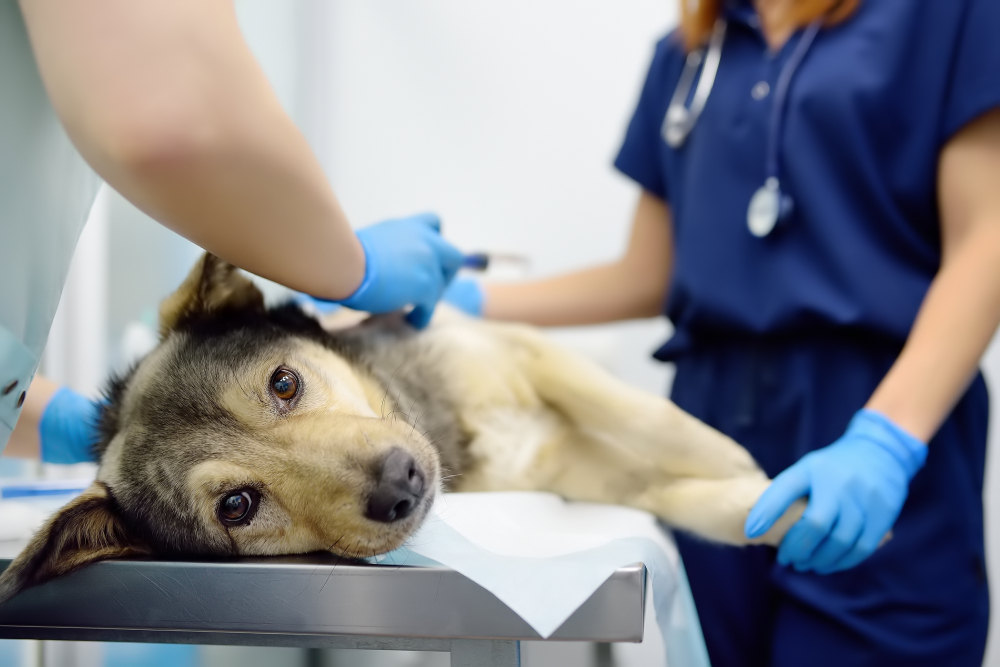
Routine physical exams, bloodwork, and imaging give veterinarians a window into your pet’s health long before symptoms appear. Establishing a preventive plan through regular wellness visits helps us identify potential concerns early and act quickly to protect your pet’s health.
If you ever find a new lump or notice behavior changes, don’t wait. Schedule a consultation to ensure everything is okay.
Compassionate Pet Cancer Care Starts with Us
A cancer diagnosis can be frightening, but early detection and compassionate care make all the difference. At Woodland Springs Veterinary Hospital, we combine advanced medicine with a gentle, stress-free approach to help every patient live their best life.
Contact us today by requesting an appointment and schedule your pet’s screening or diagnostic consultation. Together, we’ll provide the care and hope your pet deserves.




Leave A Comment