

Routine Ear Checks for Pets: What to Look For and When to Clean
You’re giving your dog a good scratch behind the ears when you notice them leaning into it a little too enthusiastically, followed by some vigorous head shaking. Or maybe your cat has been pawing at one ear more than usual, and there’s a faint smell you didn’t notice before. These subtle changes are easy to dismiss, but they’re often the first signs that something’s brewing in those ear canals.
Ear infections are among the most common reasons pet owners seek veterinary care, and they have a frustrating habit of developing quietly. By the time symptoms become obvious, what started as minor irritation may have progressed into a painful infection deep in the ear canal. The good news? Regular ear checks catch problems early when they’re much easier (and less expensive) to treat.
So how often should you actually be cleaning your pet’s ears? Each pet is different! Understanding when and how to check, which products are safe, and when to call for help makes ear care manageable and keeps your pet comfortable.
Woodland Springs Veterinary Hospital provides high-quality, AAHA accredited veterinary ear care in Fort Worth, TX. We believe education is key, so we’re here to walk you through everything you need to know about keeping those ears healthy. Ready to partner with us? Contact us to schedule an appointment for a general wellness visit, where we can teach you how to make ear care a simple, low-stress part of your pet’s routine.
Why Do Routine Ear Checks Matter So Much?
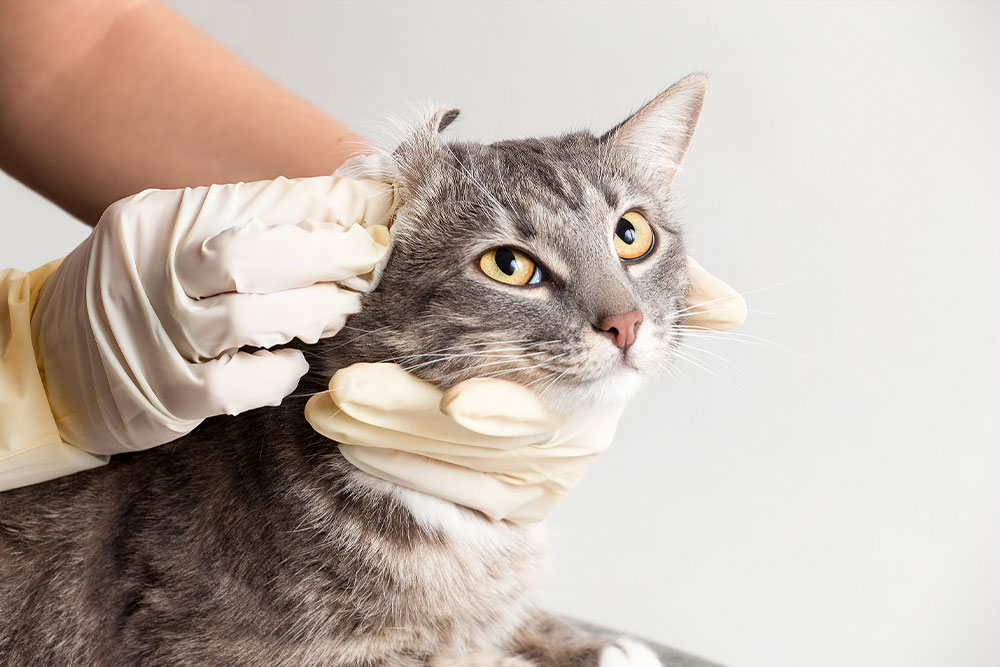
Routine ear checks are surprisingly easy once they become part of your regular pet care rhythm. Most pets tolerate gentle ear inspections well, especially when you build positive associations through treats and praise. These quick weekly peeks help you catch changes before they become painful problems requiring weeks of treatment.
The key is making ear handling a positive experience from the start. Using cooperative care techniques like gradual desensitization, favorite treats, and calm praise helps pets learn that ear checks predict good things. Starting slowly with young pets builds comfort that lasts a lifetime, and even older pets can learn to accept gentle handling with patience.
Building ear checks into existing routines makes them easier to remember. Weekly grooming sessions, cuddle time on the couch, or right after a favorite activity all work well. A quick look takes just seconds once your pet is comfortable, and those few seconds can save you both a lot of trouble down the road.
During comprehensive wellness visits, our team teaches you what healthy ears should look- and smell- like for your specific pet, so you know exactly what changes to watch for at home.
Why Are Dog and Cat Ears So Prone to Problems?
Understanding your pet’s ear anatomy helps explain why ear issues are so common. Unlike human ear canals, which run fairly straight, dog and cat ear canals are L-shaped. This design helps with hearing but creates a warm, dark environment where moisture and debris get trapped rather than draining out naturally.
This unique structure makes certain pets particularly vulnerable to ear problems:
Floppy-eared breeds like Cocker Spaniels, Basset Hounds, and Labradors have reduced airflow under those heavy ear flaps, creating humid conditions where bacteria and yeast thrive.
Breeds with hairy ear canals like Poodles and Labradoodles trap moisture and can catch foreign objects like grass awns that work their way deeper over time.
Narrow-canal breeds like Shar Peis and French Bulldogs trap wax more easily in their tight passages.
Allergy-prone breeds like retrievers and bulldogs often have inflamed ear tissue as part of their overall allergic response.
Cats with dense inner ear hair like Persians face similar challenges with trapped debris and reduced airflow.
Here in North Texas, our humid climate adds another layer of risk, especially during summer months when moisture lingers in those L-shaped canals. We use breed-specific guidance during exams to build preventive plans that fit your pet’s unique anatomy and lifestyle.
What Signs Mean Your Pet’s Ears Need Attention?
Learning to recognize ear discomfort helps you act before minor irritation becomes a serious infection. Some signs are subtle, while others clearly signal that something’s wrong.
Early warning signs:
- Occasional head shaking or ear scratching
- Mild redness inside the ear flap
- Slight increase in wax or debris
- Rubbing ears on furniture or carpet
Signs requiring prompt attention:
- Frequent or intense head shaking
- Brown, yellow, or bloody discharge
- Strong sour or yeasty odor
- Redness, swelling, or warmth
- Yelping or pulling away when ears are touched
- New head tilt or balance issues
Urgent signs needing immediate care:
- Blood in the ear canal
- Severe pain or aggression when ears are approached
- Disorientation, loss of balance, or unusual eye movements
- Swelling that closes off the ear canal
Trust your instincts. If something seems off, it probably is. For concerning symptoms, our team provides same-day emergency care so your pet doesn’t have to wait for relief.
How Often Should You Inspect and Clean Your Pet’s Ears?
Weekly Inspections for Every Pet
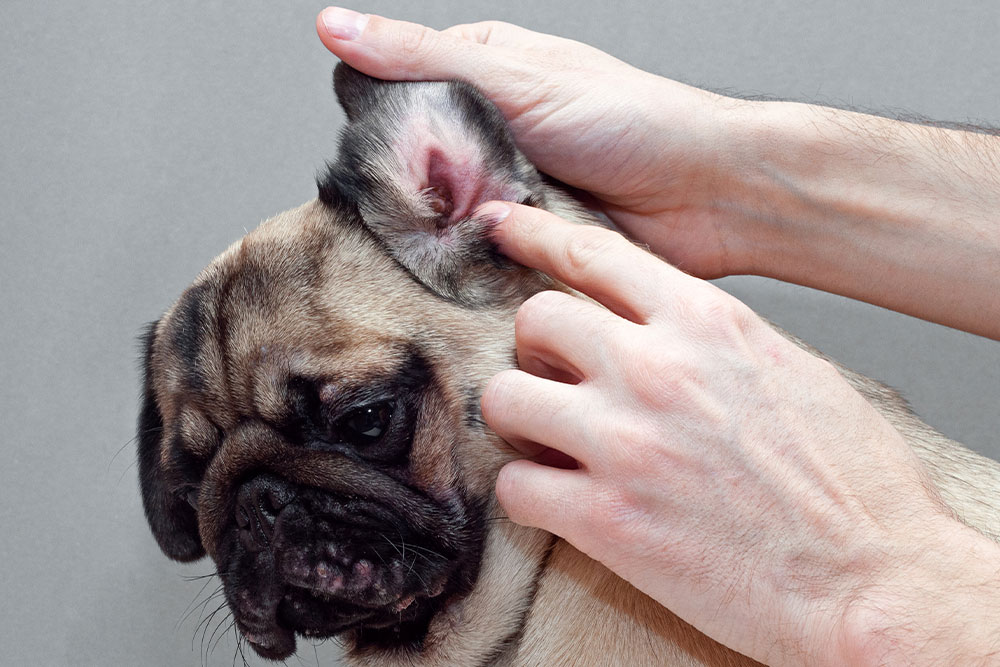
All pets benefit from a quick weekly ear check where you look for changes in color, odor, moisture, or debris. If everything looks and smells normal, there’s no need to clean. Healthy ears are self-maintaining, and over-cleaning can actually cause problems by removing protective wax layers or irritating delicate tissue.
For most healthy pets, cleaning every few weeks or after water exposure is plenty. Understanding how to clean ears properly matters more than cleaning frequently.
Cats have particularly sensitive ears and generally need less frequent cleaning than dogs. When cleaning your cat’s ears, use an especially gentle touch and stop immediately if your cat seems stressed or uncomfortable.
A practical weekly rhythm:
- Look for redness, odor, discharge, or changes in moisture
- Clean only when you see visible debris
- After swimming or bathing, consider a gentle drying solution
- If irritation appears, pause home care and schedule a visit
Pets Who Need Closer Monitoring
Some pets need more frequent attention because their ears are naturally higher risk:
- Allergy-prone pets often have inflamed ear canals as part of seasonal or food-related flare-ups
- Frequent swimmers retain moisture that creates ideal conditions for infection
- Floppy-eared and hairy-canal breeds trap more debris and moisture
- Pets with infection history often benefit from customized maintenance schedules
If your pet struggles with seasonal allergies or recurring ear issues, our clinicians can help through targeted allergy care that addresses the underlying cause rather than just treating symptoms.
When Should You NOT Clean Your Pet’s Ears at Home?
This is critical: there are situations where home cleaning can make things worse or cause permanent damage. Many over-the-counter ear cleaners can cause permanent damage to your pet’s hearing if used when your pet has a ruptured ear drum, which may occur from ear infections.
Stop and schedule a visit if you notice:
- Signs of active infection like swelling, redness, warmth, or colored discharge with odor
- Significant pain or sensitivity when you touch the ear area
- Bleeding or crusting in or around the ear
- Head tilt, balance problems, or unusual eye movements
- Your pet becoming aggressive from pain during handling
Understanding when not to clean ears prevents you from accidentally pushing infection deeper or causing injury.
Otitis externa, infection of the outer ear canal, requires professional evaluation to determine the cause and appropriate treatment. If infection spreads deeper, otitis media and interna affecting the middle and inner ear can develop, causing serious complications including hearing loss and neurological problems.
Perhaps most importantly, if your pet has a ruptured eardrum, cleaning at home can cause permanent damage. Only a veterinary exam can determine whether the eardrum is intact. When you’re seeing any warning signs, contact us for proper evaluation before attempting home treatment.
How Do You Safely Clean Your Pet’s Ears at Home?
When your pet’s ears need cleaning and there are no signs of infection, here’s a gentle, effective approach:
Gather your supplies:
- Veterinary-approved ear cleaner
- Cotton balls or soft pads (never cotton swabs in the canal)
- Towels (it can get messy)
- Treats for positive reinforcement
Step-by-step process:
- Create a calm environment. A bathroom or outdoor space works well since pets shake vigorously afterward.
- Offer treats and praise to start the session positively.
- Gently hold the ear flap upright and fill the ear canal with cleaner until you see liquid at the opening.
- Massage the base of the ear for 20 to 30 seconds. You should hear a squishing sound, which means you’ve used enough cleaner.
- Let your pet shake. Stand back, because debris will fly.
- Use cotton balls to wipe away loosened material from areas you can see. Never insert anything into the canal itself.
- Reward with treats and calm praise.
If your pet becomes uncomfortable, resists handling, or seems painful, stop immediately and schedule an exam. Our team can demonstrate proper technique and recommend products suited to your pet’s specific needs. You can find some great ear cleaning products in our online pharmacy, like Zymox Plus Advanced Ear Cleaner, pH-Notix Enhanced Ear Cleaner, and Cucumber Melon Otic Solution (it smells GREAT).
Why Aren’t All Ear Cleaners Safe?
The Problem with Many Over-the-Counter Products
Not all ear cleaners are created equal, and some can actually harm your pet. Products containing alcohol, hydrogen peroxide, vinegar, or essential oils can sting inflamed tissue, cause chemical burns, or be outright toxic to pets.
Many “natural” cleaners marketed with appealing labels contain problematic ingredients despite their wholesome branding. And here’s the biggest risk: if your pet has a ruptured eardrum, using the wrong cleaner can cause permanent hearing damage.
Ear mite remedies you can purchase in pet stores are especially problematic. If you see brown gunk in your pet’s ears, it’s actually less likely to be mites, and more likely to be discharge due to a bacterial or yeast infection. These “ear mite treatments” cause severe damage to ear drums and the skin of your dog or cat’s ears- we have far safer, simpler treatments for ear mites (if they are even the problem). Ear cytology will tell us if mites, bacteria, yeast, or a combination is the real issue.
Choosing Safe, Effective Products
Safe ear cleaners are typically pH-balanced for pets and contain gentle surfactants or drying agents that remove debris without causing harm. Veterinary-approved products are tested specifically for animal use, unlike many retail options.
The right cleaner depends on your pet’s specific situation. Some formulas work better for waxy buildup, others for moisture control, and some are specifically safe for use when the eardrum may be compromised. When infection is suspected, ear cytology helps us identify whether yeast or bacteria are involved and select the most effective treatment.
Our team can recommend appropriate products that prioritize prevention and comfort. Our diagnostics lab allows us to run ear cytologies right in our hospital, allowing for quick diagnosis of ear infections.
What About Water-Loving Pets?
Moisture trapped in the ear canal is a top risk factor for infection. Even clean water creates ideal breeding conditions for bacteria and yeast when it can’t drain from that L-shaped canal.
For pets who love water:
- Towel-dry ears immediately after swimming or bathing
- Let your pet shake thoroughly to clear excess moisture
- Consider veterinary-approved drying solutions for frequent swimmers
- Simple techniques for removing water from ears can help, but always use pet-safe products
- Flip floppy ears up occasionally to expose the canal to air. If your dog has long hair, you can use a simple hair barrette to clip the hair on the end of the ear up to the top of the head, allowing for some extra air flow while they dry.
During humid Texas summers, even pets who don’t swim may need closer ear monitoring. Our team can fold these strategies into your pet’s general wellness plan.
Why Do Professional Ear Exams Matter?
Even when ears look fine at home, routine veterinary ear checks catch problems you can’t see. Our otoscopic exams visualize deep into the ear canal and assess the eardrum, something impossible to evaluate at home.
Professional exams also identify underlying causes. If your pet needs frequent ear cleaning, there’s usually a reason: allergies, foreign objects like foxtails, ear polyps, or endocrine conditions like hypothyroidism can all contribute to chronic ear issues. Treating these root causes improves ear health long-term.
During exams, we assess the canal and eardrum, evaluate any discharge or inflammation patterns, perform cytology when infection is suspected, and build a health history that helps us spot subtle changes over time.
Our commitment to AAHA accreditation standards ensure thorough, stress-reduced evaluation.
Partnering With Woodland Springs for Healthy Ears
Ear care works best as a partnership: your weekly checks at home, smart cleaning when needed, and professional evaluation when symptoms appear. We’re here to coach you through technique, recommend safe products, and provide treatment when problems develop.
Whether your pet has perfectly healthy ears or a history of chronic issues, our team creates customized plans that fit their needs and your lifestyle.
Frequently Asked Questions
How often should I clean my pet’s ears?
Clean only when you see debris or after water exposure. Weekly visual checks help you decide when cleaning is actually needed.
What cleaner is safest?
Use veterinary-recommended, pH-balanced solutions. Avoid alcohol, hydrogen peroxide, essential oils, and products not specifically designed for pets.
When should I skip home cleaning?
Skip cleaning if there’s pain, redness, swelling, colored discharge, or strong odor. These signs need professional evaluation first.
Do floppy-eared breeds need extra care?
Yes. Reduced airflow under heavy ear flaps traps moisture. Regular checks and post-water drying help prevent problems.
We’re Here for Ears
Routine ear checks and appropriate cleaning keep your pet comfortable and prevent infections from taking hold. Watch for warning signs, choose pet-safe products, and pause home care if symptoms appear. Our team is ready to guide you through technique, product selection, and treatment when needed.
Have questions or seeing concerning signs? Contact us for guidance or schedule a general wellness visit to build an ear care plan tailored to your pet.

Leave A Comment