


Those reddish-brown stains around your pet’s eyes and mouth come from pigments in tears and saliva that build up on light-colored fur when too much moisture sits on the skin, and the discoloration itself is usually cosmetic. The bigger question is why the moisture is there. Tear overflow can point to blocked tear ducts, eyelids that roll inward, or ongoing eye irritation, while constant licking that leaves saliva stains often traces back to skin allergies, hidden pain, or anxiety. Treating the stain without figuring out what is causing the drip or the licking misses the chance to make your pet more comfortable.
At Woodland Springs Veterinary Hospital in Fort Worth, we look at staining as a clue rather than a cosmetic problem. Our wellness care for dogs and cats includes a thorough head-to-tail exam, and we have in-house lab work and digital imaging to check for the eye, dental, and skin issues that commonly sit underneath the stains. If your pet’s staining has been getting worse or you have noticed rubbing, squinting, or constant licking, request an appointment and we can work through the cause together.
What Matters Most
- The rust-colored stains themselves are cosmetic, but they signal that too much moisture is sitting on the fur from tearing or licking.
- Tear overflow can trace back to blocked ducts, inward-rolling eyelids, misplaced lashes, or a painful eye problem, while saliva staining usually points to allergies, dental disease, pain, or anxiety.
- Some over-the-counter stain removers contain antibiotics that are not approved for pets, so it is safer to stick with cleaning products and a plan we recommend.
- Because the real fix is treating the cause and not the color, a proper exam of the eyes, skin, and mouth is where lasting improvement starts.
Why Does My Dog or Cat Have Rust-Colored Stains on Their Fur?
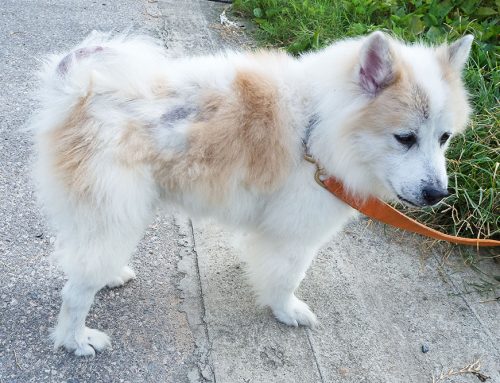
The reddish-brown color of tear stains comes from porphyrins, natural pigments in tears and saliva that darken as they sit against fur exposed to air and light. On a white or cream coat, that darkening shows up as an obvious rusty streak.
Most families first notice it in the corners of the eyes, along the muzzle, or on the paws and legs where a pet licks the most. The moisture does more than discolor fur. A face or paw that stays damp becomes a warm spot where yeast and bacteria multiply, adding a musty smell or leaving the skin underneath irritated. Because of their facial structure, brachycephalic breeds and dogs with heavy jowls trap more moisture around the eyes and mouth. A black Lab or a dark tabby can have the same underlying issue and just hide it better.
Staining is a symptom, not a diagnosis. The color tells us moisture is pooling where it should not, and our job is to find out why. Our comprehensive exams that evaluate eye health, skin, and overall wellness give us a full picture before anyone reaches for a wipe.
What Eye Problems Cause My Pet to Tear So Much?
Chronic tearing that stains the fur usually comes down to one of two things: tears that cannot drain the way they should, or an eye irritated enough to overproduce them. Both leave the same rusty trail but need very different fixes, which is why a close look at the eye itself matters.
What Structural Problems Block Normal Tear Drainage?
Normally, tears wash across the eye and drain through tiny ducts in the inner corner down into the nose. When drainage is blocked or the anatomy pushes tears the wrong way, they spill over the lid and run down the face. Flat-faced breeds often make plenty of tears but have shallow, poorly shaped drainage channels. Several structural issues push tear production up or block the exit:
- Facial folds or inward-rolling eyelids: hair rubs on the eye and irritates it
- Eyelash disorders: lashes grow in the wrong direction and scrape the surface
- Prominent, bulging eyes: the exposed surface dries out and stays irritated
- Blocked tear duct: normal tears cannot drain and overflow onto the cheek
Some of these need surgical correction, while others improve with medical care or a grooming change. During the exam, our team looks closely at the eyelids, lashes, facial structure, and how well tears are actually flowing.
How Do Irritation, Pain, and Infection Increase Tearing?
An irritated eye makes more tears; that is simply how the eye protects itself. Conjunctivitis, environmental irritants like smoke or dust, and glaucoma can all drive that overproduction. Squinting, pawing at the face, and a sudden jump in tearing can signal corneal ulcers, painful surface injuries that need prompt care. Paradoxically, dry eye also drives staining, because an eye that cannot make a healthy tear film becomes red, irritated, and prone to thick discharge.
A careful eye examination is how we sort one cause from another. Warning signs that deserve a prompt visit include squinting, redness, cloudiness, pawing at the face, or thick, colored discharge.
Can Allergies Cause Tear and Saliva Staining?
Allergies are one of the most common drivers of both tear and saliva staining, because an allergic pet has itchy, watery eyes and a strong urge to lick and chew at itchy skin. That combination stains fur around the eyes, muzzle, and paws. Sorting out whether the trigger is in the environment or in the food bowl is the key to lasting relief.
What Environmental and Seasonal Triggers Should I Watch For?
Environmental allergens are everywhere, and they drive the inflammation behind watery eyes, itchiness, and constant face rubbing. Pollen, mold, and dust mites feed atopic dermatitis, which can flare seasonally, while household products and scented sprays add to the load year-round. The pattern often gives the cause away: symptoms that ramp up every spring point toward seasonal pollens, while itching that never lets up suggests indoor triggers like dust mites or mold. Our Nextmune allergy testing helps us identify what a pet is reacting to so the treatment plan targets the real trigger.
Could My Pet’s Food Be the Problem?
Some pets react to an ingredient in their everyday food, and unlike seasonal allergies, food reactions cause tearing, itchy skin, and excessive grooming all year with no break. Because no blood or saliva test reliably diagnoses a food allergy, the only dependable way to pin one down is an elimination diet trial built around a single novel or hydrolyzed protein, fed with no exceptions. Strict consistency is everything: a single stolen treat, a flavored chew, or a bite of table food can invalidate weeks of effort. Once the trial clears up the signs, we reintroduce ingredients one at a time to pinpoint the trigger. Our nutritional guidance for structured diet trials walks families through the process.

What Else Could Be Making My Pet’s Fur Stain?
Excess licking is the common thread behind saliva staining, and plenty of things beyond allergies can set it off. When a pet fixates on a spot, the saliva keeps that fur wet, and the porphyrins do the rest. Here is a quick map of the usual suspects.
| Underlying issue | How it drives licking and staining |
| Dental disease | Painful teeth and gums increase drooling and mouth licking, staining the lower lip and chin |
| Skin infections | Yeast or bacterial overgrowth makes skin itchy, so a pet licks the area raw and wet |
| Arthritis and hidden pain | Pets often lick a sore joint or a tender spot repeatedly, soaking the fur there |
| Anxiety and compulsive licking | Stress or boredom can drive repetitive licking that has nothing to do with pain |
| Nail and paw problems | Broken nails, cracked pads, or foreign material trigger persistent paw licking |
| Parasites | Fleas and mites cause intense itching and chewing, especially at the base of the tail and legs |
Parasites are so common and so preventable that year-round parasite prevention removes one of the most fixable triggers behind saliva staining. Because staining can stem from the mouth, the skin, or a sore joint, we look across all of it. When bad breath and drooling point to the mouth, our professional dental care tackles the source rather than the stain.
How Do Veterinarians Figure Out What Is Causing the Staining?
Finding the cause starts with your history and a thorough exam, not a bottle of stain remover. We ask when the staining started and whether it is worsening, then examine the eyelids, lashes, tear production, and eye surface. Targeted tests confirm what the exam suggests, so treatment addresses the real source rather than the color.
The history often points us in the right direction, and the physical exam does the heavy lifting. A fluorescent dye test can light up a corneal ulcer that is invisible to the naked eye. When a moist, stained area looks infected, a quick skin cytology sample under the microscope shows whether yeast or bacteria have taken hold. We also check dental health, screen for pain, and consider behavioral factors that might be feeding the licking. Many answers come back fast thanks to same-day results from our in-house laboratory, and if a case needs advanced imaging or a specialist’s eye, we help arrange a referral.
How Do I Manage Staining at Home?
Managing tear and saliva staining is a daily habit, not a one-time fix, and the results come from consistency more than from any single miracle product. The home routine has two jobs: keep the moisture and porphyrins from setting into the fur, and avoid anything that could harm your pet while you do it.
What Does a Good Daily Cleaning Routine Look Like?
Gentle, consistent cleaning around the eyes keeps porphyrin stains from setting into the fur and protects the thin skin underneath. Use a soft, damp cloth or a vet-recommended wipe, work from the inner corner outward, and never let a wet spot linger. A few habits give moisture less to cling to:
- Trim high-moisture areas: short fur has less to hold onto and clears where tears collect
- Dry the muzzle and paws after meals and water bowls
- Keep up regular grooming to keep the whole coat healthier
For the wipes and solutions we trust, just ask our team during a routine wellness visit and we will point you to the right products for your pet.
Which Tear Stain Products Should I Avoid?
Not every product on the shelf is safe, and some of the most heavily marketed ones are the ones to skip. Many popular removers are unapproved tear stain products that quietly contain antibiotics not approved for pets, marketed as supplements to slip past regulation. Feeding a pet low-dose antibiotics for a cosmetic reason is a real health risk. Keep this short list in mind when you shop:
- Skip anything with hidden antibiotics: products promising the stains will vanish often rely on tylosin or a similar drug not approved for this use
- Be wary of vague “supplement” claims: a common way to dodge regulation
- Distrust dramatic before-and-after promises: fast results with no explanation of how it works are a red flag
- Stick with vet-recommended cleaners: an approved solution plus a plan for the underlying cause is safer and more effective
Can Probiotics Help With Tear Staining?
Gut health has become an interesting piece of the puzzle. Because it shapes immune function and inflammation throughout the body, quality probiotics have helped some pets stain less, though they are a support and not a guaranteed cure. If you want to try one, look for a veterinary-formulated product that lists specific bacterial strains and colony counts on the label, and we are happy to recommend one. Our online pharmacy carries vet-trusted brands.
How Do I Prevent Secondary Infections?
Those moist, stained folds are prime territory for yeast and bacteria, and an infection there makes the staining darker, the smell stronger, and the skin sorer. Prevention comes down to keeping things clean and dry: wash food and water bowls regularly, keep the face dry after eating and drinking, and consider filtered water if a pet is prone to staining. Watch for the signs that a spot has tipped from stained into infected: a foul odor, redness, swelling, or tenderness when you touch the area. If you spot those signs on or near the eye, our team can have the eye seen the same day during our regular hours.
When Should Tear or Saliva Staining Send Us to the Vet?
Gradual, long-standing staining on a healthy pet is usually a cosmetic nuisance you can manage at home. What changes the decision is speed: staining that appears suddenly or worsens quickly is your pet telling you something new is going on. The signs below are worth a prompt call rather than a wait-and-see approach.
- Eye pain or squinting: a pet holding an eye shut, pawing at it, or shying from light needs to be seen soon
- Concerning discharge: thick, yellow, green, or bloody discharge points to infection or injury
- Redness or cloudiness: a red, angry-looking eye or a cloudy, hazy surface can signal a serious problem
- Behavioral changes: new irritability, hiding, or a drop in appetite can accompany a painful eye or mouth
- Foul odor or skin breakdown: a bad smell or raw, broken skin usually means infection has set in
Even purely cosmetic staining deserves a checkup, because the causes behind it are so often fixable once we know what they are.
Frequently Asked Questions About Fur Staining in Pets
Will my pet’s tear stains go away on their own?
Stains rarely fade without addressing what is causing the extra moisture. Once we treat the underlying issue, the tearing or licking slows down, and new fur grows in without the rusty tint. Whether the cause is a blocked duct, an allergy, or a dental problem, stopping the source is what keeps fresh staining from coming back. The already-stained fur may need to grow out or be trimmed away.
Is tear staining painful for my dog or cat?
The stain itself does not hurt, since it is just pigment sitting on the fur. What can hurt is whatever is causing it. A corneal ulcer, an inward-rolling eyelid, sore teeth, or infected skin under a wet fold are all uncomfortable. That is exactly why we treat staining as a signal to check for a painful problem rather than dismissing it as purely a looks issue. If your pet is squinting or licking a spot raw, something is likely bothering them.
Are white and light-colored breeds the only ones that get staining?
Light-colored breeds are not the only ones that get staining; they just show it most. Porphyrins in tears and saliva darken every pet’s fur; a light coat simply makes that rusty color impossible to miss. A dark-coated dog or cat can have the same excess tearing or compulsive licking and hide the discoloration entirely. That is why we pay attention to behaviors like face rubbing, squinting, and constant licking in every pet, not just the visible staining on the white ones.
Partnering With You on Your Pet’s Eye and Skin Health
Tear and saliva stains are worth a second look, because they almost always point at something we can help with. Whether the real story is facial anatomy, an infection, allergies, hidden pain, or an anxious licking habit, treating the cause improves both your pet’s comfort and the way their fur looks.
Our AAHA accreditation and standards of care hold our exams, diagnostics, and treatment plans to a high standard so you get answers, not just a temporary cover-up. If the staining has been creeping up, or you have noticed rubbing, squinting, or constant licking, book a visit and we will work through the cause together and build a plan that targets it at the source.



Leave A Comment