


Pets in Fort Worth tend to be active members of the household. Trinity Trails on weekends, dog parks midweek, road trips down to the coast, summers spent figuring out how to keep everyone cool when the heat hits triple digits. Watching that same dog grow from a puppy who could not yet handle a full loop to a 14-year-old senior who still wants to go but takes it slower means watching the full arc of what veterinary care looks like across a life. The first round of vaccines, the spay or neuter conversation, the first bloodwork change worth monitoring, the transition into senior screenings and pain management discussions: each stage has its own clinical priorities, and the practices that serve pets best are the ones that actively guide that transition rather than waiting for problems to bring you in.
Woodland Springs Veterinary Hospital in Fort Worth is committed to honoring the human-animal bond through education and compassionate care at every stage. Our wellness services adapt as your pet ages, and for pets who benefit from additional support in their senior years, we offer laser therapy and acupuncture for pain management and mobility alongside conventional medicine. Contact us about a life-stage care plan for your pet.
The Bottom Line
- The first year of veterinary care builds the foundation: completing the vaccine series produces reliable immunity, year-round parasite prevention protects against the heartworm and tick exposure that Fort Worth’s long warm season brings, and oral handling habits established in puppyhood pay off for life.
- Adult years are when many serious senior conditions begin developing silently; annual exams and baseline blood work during the healthy years create the trend data that catches early disease years before clinical signs appear.
- Pets enter senior status at different ages by size; giant breeds may need senior-level monitoring by age 5, while small dogs and cats often do not until 9 or 10\. Twice-yearly exams become the standard once that transition arrives.
- Senior pets often benefit from a combined approach to comfort and mobility: laser therapy, acupuncture, joint supplements, weight management, and modern pain medications work better together than any one of them works alone.
Why Are Puppy and Kitten Vet Visits So Frequent?
The first year of life involves more veterinary visits than any other life stage, and the intensive schedule reflects the real biological work that is happening underneath: building immunity, establishing protective parasite prevention, supporting healthy development, and creating the lifelong relationship with the veterinary team that will carry forward.
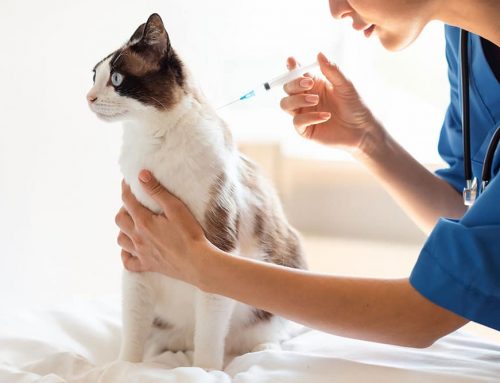
The first year of vaccinations involves a series of boosters spaced 3 to 4 weeks apart, typically running from 6 to 8 weeks of age through 16 to 20 weeks. The reason for the series is biological: maternal antibodies passed from the mother during nursing protect young puppies and kittens initially but also interfere with vaccine response. The series ensures that as maternal antibodies fade, your pet’s own immune system has multiple opportunities to respond to the vaccinations and develop reliable protection.
Skipping or shortening the series leaves gaps in immunity. Diseases like parvovirus and distemper in puppies, and panleukopenia in kittens, are devastating illnesses that the vaccines reliably prevent when administered on schedule. Our vaccination protocol for puppies and vaccination protocol for kittens detail what is covered when.
Why Does Parasite Prevention Need to Start From Day One?
Young animals are vulnerable to parasites in ways that adults are not. Most puppies and kittens arrive at their first visit already infected with intestinal parasites picked up before weaning. Heartworm exposure begins as soon as mosquitoes are present, which in Fort Worth is most of the year given how mild the winters tend to be.
Year-round parasite prevention starting in puppyhood and kittenhood includes heartworm prevention, flea and tick control, and intestinal parasite coverage. Indoor cats benefit too; mosquitoes and fleas find their way indoors, and the cost of treatment for an established infestation or heartworm infection is far higher than ongoing prevention.
Our pharmacy carries comprehensive options for heartworm prevention in dogs and cats, along with flea and tick prevention for dogs and cats. We’ll go over the best option for your dog or cat during your visit.
Why Are Dental Habits Easier to Build Early?
The most overlooked aspect of puppy and kitten care is establishing oral handling and toothbrushing habits. Puppies and kittens who learn to accept having their mouths handled, teeth touched, and toothbrush used while everything is novel grow into adults who tolerate these procedures easily. Adults who weren’t conditioned in puppyhood often refuse home dental care entirely, and the result is more dental disease, more anesthetic dental procedures, and worse oral health throughout life.
Dental care for pets starting when pets are young pays dividends across the lifespan.
When Is the Right Time to Spay or Neuter Your Pet?
Spay and neuter timing recommendations have evolved as research has clarified the trade-offs. The traditional approach of spay/neuter at 6 months has shifted to an individualized conversation based on species, breed, size, and lifestyle.
For large-breed dogs in particular, waiting until growth plate closure (often 12 to 18 months for large breeds, 18 to 24 months for giant breeds) reduces the risk of certain orthopedic issues. The protective effect of spaying against mammary cancer is largest when done before the first heat cycle, and intact females face the risk of pyometra, a life-threatening uterine infection that can occur in older intact females.
The conversation balances orthopedic considerations, cancer risk profiles, behavioral factors, and lifestyle. Our spay and neuter services include the discussion to determine the right timing for your specific pet.
What Surgical Care Helps Certain Breeds in Young Adulthood?
Once skeletal maturity is reached, certain breeds benefit from corrective surgery for inherited anatomical issues:
- Brachycephalic obstructive airway syndrome (BOAS) affects flat-faced breeds (Bulldogs, French Bulldogs, Pugs, Boston Terriers, brachycephalic cats). Surgery to widen narrow nostrils, shorten the soft palate, or address other airway abnormalities improves breathing dramatically. Earlier intervention often produces better outcomes than waiting for secondary problems to develop from chronic respiratory effort.
- Entropion (eyelids rolling inward) affects several breeds and causes chronic corneal irritation. Surgical correction prevents long-term corneal damage and provides immediate comfort.
Our surgery services include these procedures with modern anesthesia and pain management protocols, including laser surgery correction for brachycephalic pets.
What Should You Expect From Adult Veterinary Care?
Adult pets typically have more spread-out visits than puppies, but the visits cover more ground. The annual exam shifts from the rapid-fire developmental milestones of puppyhood to maintenance and watchful monitoring for the conditions that develop in middle age. Many of the conditions that show up in senior years are already developing silently during the adult years, which is why this stage is not the time to let visits drift to every other year.
What Does an Annual Wellness Visit Cover?
Adult wellness exams evaluate every body system: cardiac, respiratory, gastrointestinal, skin and coat, musculoskeletal, dental, neurological, eyes, ears, and lymphatic. The exam catches things you often miss because you see your pet daily and gradual changes don’t register.
The value of preventive blood work established during healthy years is enormous. Your pet’s normal range often differs from the published reference range; their personal baseline is what matters when we’re trying to detect subtle change. Annual or biannual blood panels build the trend data that catches early disease.
Hypothyroidism often first surfaces in middle age, presenting with weight gain despite no diet change, lethargy, and coat changes. Annual blood work catches this condition early, and treatment with daily oral thyroid hormone produces dramatic improvement.
Why Does Weight Management Matter So Much in the Adult Years?
Gradual weight gain during the adult years is easy to miss until it becomes substantial. Two pounds extra on a small dog or cat is significant; ten pounds on a large dog adds meaningful joint and metabolic stress. Annual weight tracking catches trends while they’re still manageable.
Pet obesity prevention is more than cosmetic. Excess weight increases the risk of arthritis, diabetes, certain cancers, and shortened lifespan. The data on weight management in pets is consistent: pets at appropriate body condition live longer with fewer chronic health problems. In Fort Worth’s heat, an overweight pet also struggles more with exercise tolerance during the long warm months, which compounds the problem because they move less and gain more.
How Does Dental Disease Progress Across the Adult Years?
Dental disease develops silently and progresses to systemic effects involving the heart, liver, and kidneys. By the time you notice bad breath or visible tartar, the disease is well-established under the gumline.
Professional cleanings with full-mouth radiographs during the adult years catch disease at earlier, more treatable stages. The X-rays reveal what’s happening below the gumline; many dental problems are invisible without imaging. Our dental services include comprehensive cleanings under anesthesia with full-mouth radiographs.
Home care between cleanings supports oral health. Our pharmacy stocks comprehensive dog dental products and cat dental care options, including wipes, sprays, treats, chews, powders, and more to find what works for your lifestyle and pet.
How Should Parasite and Disease Prevention Adjust Over Time?
Each annual exam includes a lifestyle-based prevention conversation. The right combination of vaccines, parasite prevention, and other protective measures depends on what your pet actually does: indoor versus outdoor, dog parks, hiking, swimming, boarding, travel, and exposure to other pets.
Beyond the core vaccines, lifestyle-based vaccines include Lyme disease for dogs traveling to tick-heavy regions or spending significant time in brushy areas, and leptospirosis for dogs with exposure to wildlife or standing water. Our AAHA-accredited practice follows current vaccination guidelines that balance protection with appropriate frequency.
What Changes in Veterinary Care During the Senior Years?
The senior transition deserves more attention than many people give it. The conditions that affect quality of life and longevity in older pets are the ones that respond best to early detection, and the difference between catching kidney disease at the earliest stage versus after a crisis can mean years of comfortable life.
How Do You Know When Your Pet Has Reached the Senior Stage?
Dogs enter senior life stages at different ages depending on size:
- Giant breeds: as early as 5 years
- Large dogs: around 6 to 7 years
- Medium dogs: around 7 to 8 years
- Small dogs: around 9 to 10 years
Cats are typically considered senior at 9 to 10 years.
Common signs of the senior transition include sleeping more, slower movement, slight weight changes, reduced jumping ability, dental disease becoming visible, gray hair appearing around the muzzle, and subtle behavior changes. Many of these represent manageable conditions rather than inevitable decline; intervention often produces real improvement in comfort and function.
How Can I Help Prevent Arthritis Pain in My Senior Pet?
Osteoarthritis affects most senior pets even when they don’t show obvious lameness. This is one of the areas where our integrative approach makes a noticeable difference; treatment options have expanded substantially in recent years and stacking them well produces better outcomes than relying on any single intervention. The current toolkit includes monoclonal antibody therapies (Solensia for cats, Librela for dogs), oral anti-inflammatories, joint supplements, laser therapy, acupuncture, and weight management.
How Do Laser Therapy and Acupuncture Support Senior Comfort?
One of the meaningful differences between modern senior care and the care of even 10 years ago is the routine inclusion of laser therapy and acupuncture as part of comfort management. These approaches are not alternatives to conventional medicine; they work alongside it, often allowing for lower medication doses or providing additional benefit for pets who have not responded fully to medications alone.
Laser therapy applies specific wavelengths of light to inflamed tissue to reduce pain and support healing. Common uses in senior pets include arthritis pain, soft tissue injuries, post-surgical recovery, and chronic skin conditions. Sessions are non-invasive, usually well tolerated, and most pets settle into the treatment without difficulty.
Acupuncture stimulates specific points to influence pain signaling, circulation, and tissue function. The applications in senior care include arthritis, intervertebral disc disease, nerve pain, and certain organ-system conditions. We use acupuncture in coordination with the rest of the pain management plan, not as a standalone therapy.
For pets in their senior years dealing with chronic pain or mobility issues, the combination of conventional medication, modern monoclonal antibody therapies, weight management, joint supplements, laser, and acupuncture often produces noticeably better comfort than any one of those approaches on its own.
What Does Senior Screening Include?
Preventive testing for senior pets typically includes:
- Complete blood count
- Chemistry panel
- Thyroid testing (T4)
- SDMA for early kidney detection
- Urinalysis
- Blood pressure measurement
- Eye testing like pressure and tear production
Twice-yearly exams are recommended for pets seven and older, with comprehensive annual screening. Our diagnostics capabilities include the in-house lab work that produces results during the visit, supporting same-day decision-making.
What Conditions Are Commonly Found on Senior Screenings and Exams?
There are a few conditions that senior screenings can pick up before they cause serious disease, making treatment easier on both you and your pet.
- Chronic kidney disease is extremely common in seniors, especially cats. Screening catches kidney disease earlier, when prescription kidney diets, fluid therapy, and medications can substantially extend both lifespan and quality of life.
- Feline hyperthyroidism presents with weight loss despite increased appetite, hyperactivity, vomiting, and rapid heart rate. Multiple treatment options exist including daily oral medication, dietary management, and curative radioactive iodine therapy.
- Diabetes in pets develops in some senior pets and requires lifelong insulin therapy alongside dietary management. Early detection through routine blood and urine screening makes the disease much easier to manage.
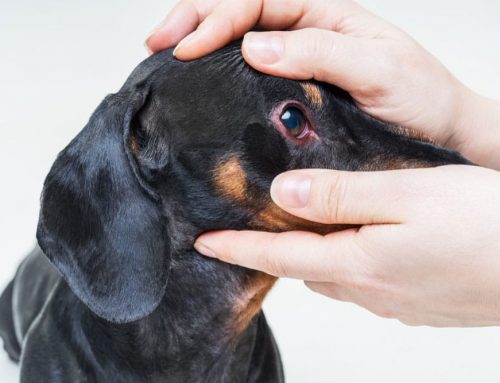
- Eye conditions including glaucoma, dry eye, and retinal detachment from hypertension are more common in seniors. Annual eye examinations and blood pressure measurement catch these earlier.
- Heart disease is a common issue in seniors. Small-breed dogs are at higher risk for mitral valve disease, the most common cardiac condition, though any dog and cat can develop heart disease. The first sign is often a murmur heard during an exam.
- Cancer is a leading cause of death for our pets. During exams, we feel for lumps and bumps and test them to determine the cell type. Large breed dogs tend to have higher risks for cancers.
Knowing your pet’s breed predispositions lets us tailor screening to catch the conditions they are most likely to develop.
When Should You Start Thinking About End-of-Life Planning?
Quality-of-life assessment is a veterinary tool, not a single conversation at the end. We can talk through what to monitor, what to consider, and what changes might prompt revisiting decisions. The earlier these conversations happen, the more time families have to plan and the less they have to decide in crisis.
Pain management, mobility support, environmental modifications, and supportive care all play roles in maintaining quality of life through the senior years. The goal isn’t extending life at any cost; it’s making the time that’s available the best it can be. When quality of life becomes a problem, we’ll be here to help.
How Do Our Wellness Plans Bundle Stage-Appropriate Care?
Our pet wellness plans are built to spread the cost of stage-appropriate preventive care across manageable monthly payments, with the specific services included tailored to your pet’s species, breed, and age. The point is to make sure the right exams, vaccines, screenings, and parasite checks actually happen on schedule rather than getting deferred because they all come due at once.
What every plan includes:
- Semi-annual physical examinations
- Necessary vaccinations for the life stage
- Intestinal parasite checks
- Heartworm panels
- Annual dental cleanings
- Comprehensive blood work
Members also receive 50% off all non-routine exams and 10% off services, prescriptions, heartworm preventatives, and flea control across the year. The right plan depends on where your pet is now and where they’re headed in the next year or two. We’re happy to walk through the options at your next visit and help match the plan to your pet’s life stage.

Frequently Asked Questions About Life-Stage Veterinary Care
When does my pet officially become a senior?
It varies by species, breed, and size. Cats and small dogs around 9 to 10 years, medium dogs around 7 to 8, large dogs around 6 to 7, and giant breeds as early as 5. The number is approximate; your individual pet’s aging rate matters more than the calendar.
Do older pets really need more frequent vet visits?
Yes. Conditions develop and progress faster in seniors, and twice-yearly visits catch changes between annual exams that would otherwise go unaddressed. The visits are also typically shorter and more focused than the puppy series.
My adult pet has been healthy. Do they really need annual blood work?
Yes. Establishing baselines during healthy years makes future changes meaningful. Many conditions develop gradually, and the early changes are subtle enough that comparing to a personal baseline catches them years before clinical signs appear.
Are vaccines still necessary for adult and senior pets?
Yes, though the schedule changes. Core vaccines after the puppy/kitten series are typically boostered every 1 to 3 years depending on the specific vaccine. Lifestyle vaccines may be added or removed based on changing exposure risk over time.
Can pets really benefit from acupuncture and laser therapy?
Yes, particularly for senior pets with arthritis, mobility issues, and chronic pain. These therapies work well alongside conventional medicine, often allowing reduced medication doses or providing additional benefit for pets who haven’t responded fully to medications alone.
Care That Grows With Your Pet
Consistent, stage-appropriate care is the single best investment in your pet’s long-term health. The veterinary team is alongside you through every transition, from the puppy series through middle age maintenance to senior screening and end-of-life care.
Our team at Woodland Springs Veterinary Hospital adapts care to fit where your pet is in their life right now. Whether you are scheduling your first puppy or kitten visit, your healthy adult’s annual exam, or your senior pet’s twice-yearly check-up, reach out with questions or consider making care even easier through our wellness plans.




Leave A Comment