


A cracked tooth from chewing a hard toy, bleeding gums after a meal, or a sudden reluctance to eat kibble are all signs that dental disease may be taking hold. What begins as mild irritation or plaque buildup can spiral into infection, bone loss, and painful complications. In severe cases, untreated oral disease can lead to jaw fractures, sinus damage, or even systemic infections that affect the heart, liver, or kidneys. Preventing these outcomes is far easier- and safer- than treating advanced disease after it takes hold.
At Woodland Springs Veterinary Hospital in Fort Worth, TX, our AAHA-accredited clinic provides gentle, thorough dental care to protect pets from the hidden dangers of neglected teeth.
When Dental Disease Is Ignored: What Happens Next
Dental disease doesn’t stay still- it always progresses. Plaque forms within hours of eating and hardens into tartar that traps bacteria under the gumline. These bacteria release toxins that inflame and destroy the supporting tissues around each tooth. As infection spreads, it penetrates deeper into bone and blood vessels.
The periodontal disease stages illustrate how quickly minor issues can escalate. Stage one involves mild gingivitis, but by stage four, bone loss, loose teeth, and severe pain are common. Many pets continue to eat despite advanced disease, hiding their discomfort until irreversible damage occurs.
The consequences extend well beyond the mouth. Oral bacteria enter the bloodstream and can damage the heart, kidneys, and liver, contributing to long-term organ disease. Chronic oral inflammation keeps the immune system on constant alert, increasing fatigue and shortening a pet’s lifespan.
Some pets also develop persistent oral infections or ulcers that don’t heal easily. Constant bacterial exposure weakens tissue repair, leading to painful, recurring sores that require advanced veterinary care.
The Escalating Consequences of Dental Neglect
Neglecting dental care doesn’t just mean dirty teeth- it allows hidden conditions to worsen until they become medical emergencies.
- Fractured teeth expose the pulp, leaving the tooth vulnerable to infection and severe pain. Even a small crack can allow bacteria inside the root canal, leading to abscesses or tissue damage.
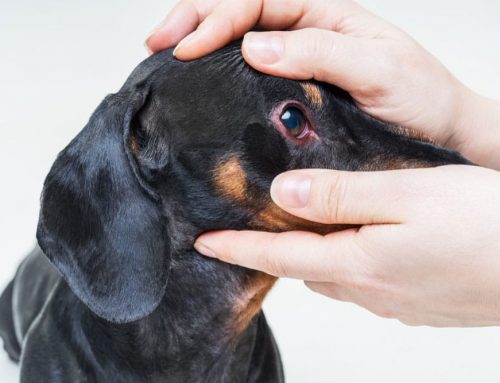
- Untreated infections can spread behind the eye, creating a retrobulbar abscess, which causes swelling, severe pain, and even vision loss.
- When infection erodes into the nasal cavity, an oronasal or oroantral fistula can form- an open connection between the mouth and sinuses that leads to chronic nasal discharge and discomfort.
- Advanced periodontal disease weakens the jawbone so much that normal chewing can result in jaw fractures. These are especially common in small-breed dogs and can be extremely difficult to repair.
- Severe inflammation and bone loss can cause tooth loss, leaving open wounds where bacteria thrive.
Each of these conditions can cause immense pain and often require surgery or extraction to correct. What might have been prevented with a simple cleaning can progress to permanent damage and systemic illness when left untreated.
The False Promise of “Anesthesia-Free” Cleanings
While some services advertise anesthesia-free dental cleanings as safer or more affordable, these procedures are only cosmetic. Anesthesia-free pet dentals clean only the visible parts of the teeth and cannot reach below the gumline, where 60% of disease occurs. They also prevent veterinarians from performing essential diagnostics like dental X-rays or probing for infection.
True dental care requires anesthesia for a complete and pain-free cleaning, scaling, and inspection of each tooth. Modern anesthesia protocols include pre-anesthetic bloodwork, advanced monitoring, and tailored pain management, making the process extremely safe- even for seniors. The result is a healthier mouth, not just a whiter smile.
How Delaying Care Impacts Your Pet’s Body
When dental disease remains untreated, bacteria from infected gums and teeth spread through the bloodstream. This can trigger inflammation in heart valves (endocarditis), strain the liver and kidneys, and exacerbate chronic conditions like diabetes. In some cases, infection spreads rapidly enough to cause sepsis, a life-threatening systemic infection.
Locally, dental disease reshapes the jaw and gums. As bone deteriorates, the mouth becomes unstable. Teeth shift or fall out, the jaw weakens, and chewing becomes painful or impossible. Over time, pets may lose their appetite, struggle to maintain weight, and develop chronic sinus infections. The ongoing inflammation also suppresses the immune system, making pets more susceptible to other infections and slowing healing.
Early Intervention Saves Pain- and Cost
Professional dental cleanings are both preventive and diagnostic. They allow veterinarians to identify hidden disease through dental X-rays, which reveal root infections, bone loss, or retained roots that aren’t visible during a physical exam. Identifying these problems early prevents costly extractions and more invasive surgeries later.
The longer dental care is delayed, the more extensive and expensive the treatment becomes. A small cleaning now can prevent a major oral surgery, tooth loss, or bone infection later. For pets, early intervention isn’t just about cost savings- it’s about avoiding pain and preserving quality of life.
Home Dental Care: The Everyday Defense
At-home dental care bridges the gap between professional cleanings. Brushing your pet’s teeth daily with veterinary-approved toothpaste helps prevent plaque buildup. For pets resistant to brushing, products approved by the Veterinary Oral Health Council– like chews, rinses, and water additives- provide valuable support. Avoid hard objects that can fracture teeth, such as bones or antlers, which can lead to infection or abscess formation.
Routine home checks are equally important. Lift your pet’s lips weekly to look for redness, swelling, or visible tartar. Report any drooling, pawing at the mouth, or changes in eating habits to your veterinarian promptly. Small warning signs often point to bigger issues beneath the surface.

Choosing Quality Dental Care
At Woodland Springs Veterinary Hospital, we combine experience, technology, and compassion to prevent dental problems before they cause irreversible harm. Our team uses diagnostic imaging and full-mouth X-rays to detect disease early and provide comprehensive treatment.
Because every pet’s dental needs differ, we create customized plans based on breed, age, and risk level. Our AAHA accreditation ensures we follow the highest standards for safety, anesthesia, and pain management during every dental procedure.
Don’t Wait Until It Hurts
By the time pets stop eating, the disease has already reached an advanced stage. Preventive care and professional cleanings can spare your pet unnecessary suffering and prevent life-threatening complications.
If your pet has persistent bad breath, loose or broken teeth, facial swelling, or bleeding gums, it’s time for a dental exam. Contact Woodland Springs Veterinary Hospital or call (817) 431-3735 to schedule your pet’s comprehensive dental evaluation.
A healthy mouth means a healthier, happier life- for both you and your pet.





Leave A Comment